
Helpful Resources
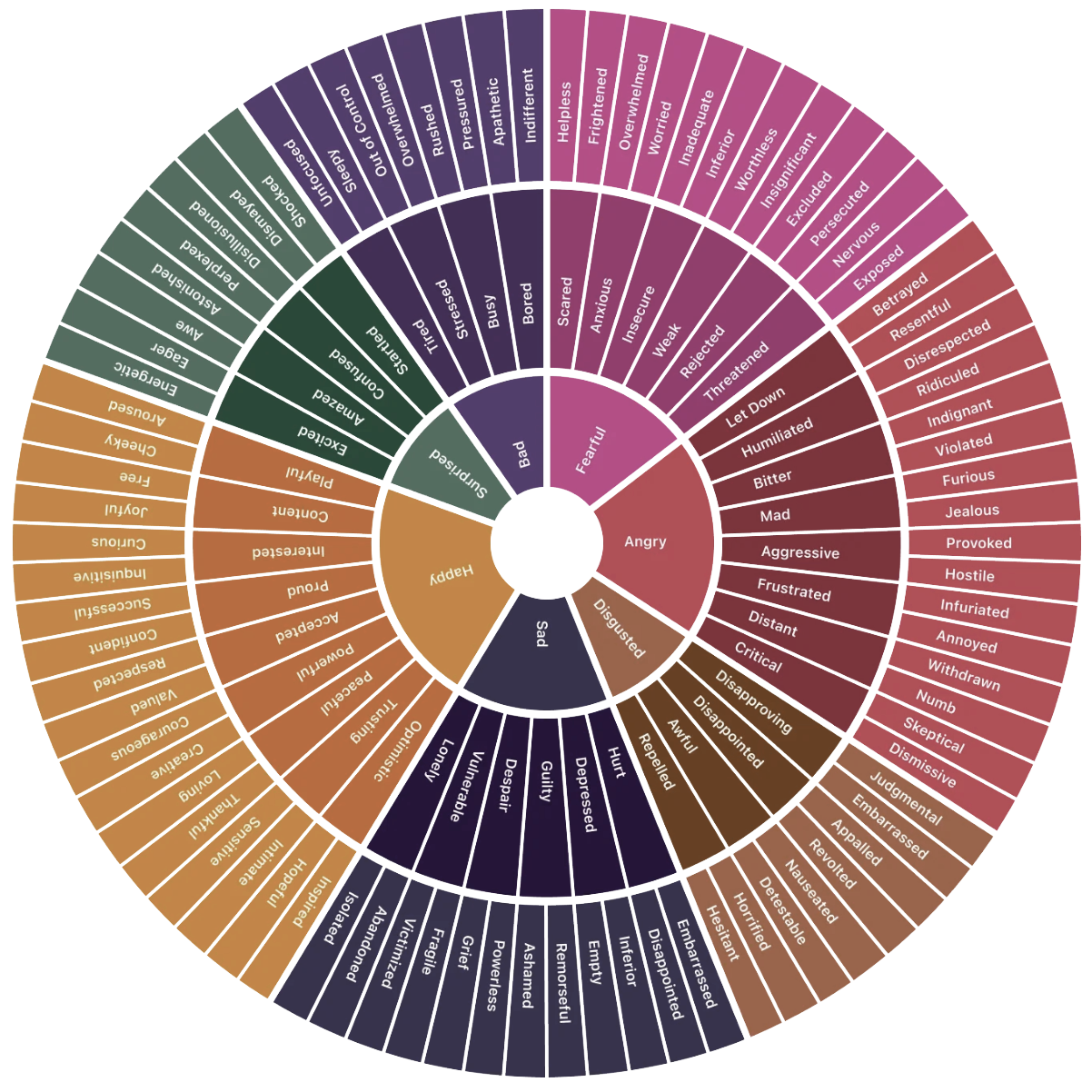
FEELINGS WHEEL
A feelings wheel is a visual tool that can help you identify, understand and express your emotions.
Reading time: 2–3 minutes
If you identify as LGBTQIA+, you may sometimes experience unique mental health challenges that stem from living in a society where your identity is misunderstood, stigmatized, or marginalized. This is often called minority stress or minority distress. Understanding it is the first step toward feeling calmer, more confident, and supported.
Minority Stress and Mental Health: How LGBTQIA+ Therapy Can Help
What Is Minority Stress?
Minority stress refers to the extra psychological strain experienced by people from marginalized groups. It can result from:
Everyday microaggressions or subtle discrimination
Social exclusion or fear of judgment
Internalized negative messages about identity
Past experiences of harassment or prejudice
Over time, these pressures can contribute to anxiety, low mood, or difficulties expressing yourself authentically in your personal and professional life.
Common Signs You Might Be Experiencing Minority Distress
People experiencing minority stress often notice:
Feeling anxious in social or work environments
Self-doubt or internal conflict about identity
Heightened stress in relationships
Feeling isolated or misunderstood
Difficulty maintaining a sense of safety or calm
Even if experiences seem small, their cumulative effect can impact wellbeing.
How LGBTQIA+ Therapy Can Help
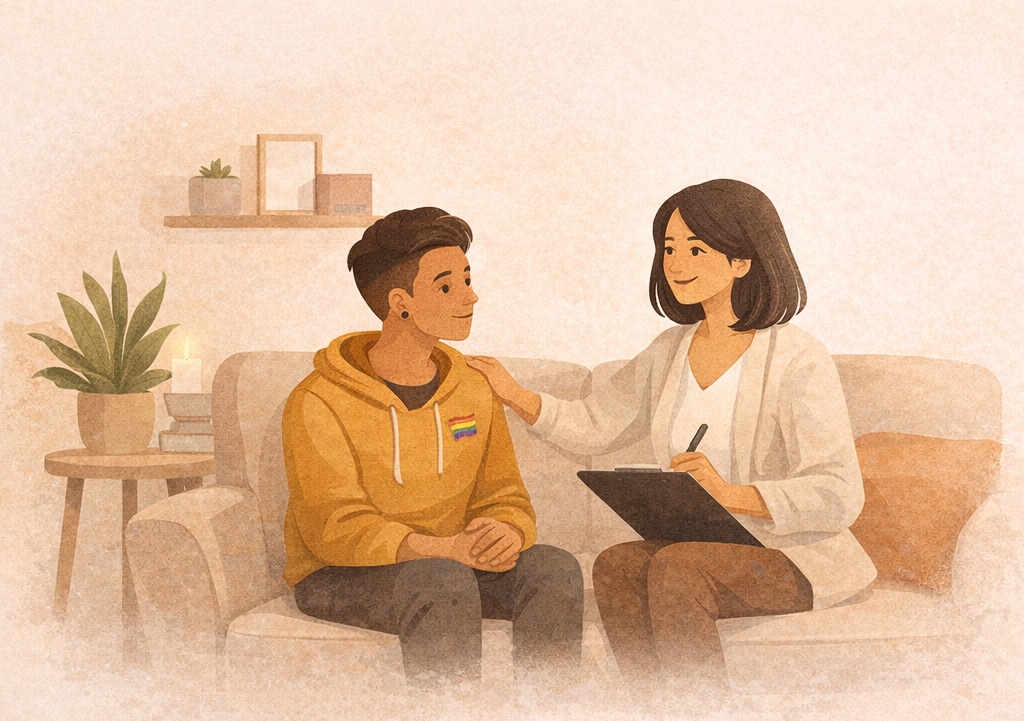
Therapy provides a safe, affirming space where you can explore the impact of minority stress on your mental health. Approaches commonly used in minority stress counselling include:
1. Affirmation and Validation
A therapist can provide acceptance and support, helping you feel safe to explore your thoughts and feelings about identity, relationships, and societal pressures.
2. Cognitive Behavioural Therapy (CBT)
CBT helps identify patterns of negative thinking caused by stigma or discrimination and supports you in developing new ways to manage anxiety and stress.
3. EMDR Therapy
For past experiences of harassment, bullying, or other distressing events, EMDR can help process these memories so they no longer feel overwhelming.
4. Coping Skills and Resilience
Therapy can help you build practical strategies to manage anxiety, set healthy boundaries, and maintain strong, supportive relationships while fostering self-compassion and confidence.
Taking the First Step
Minority stress is common among LGBTQIA+ adults, but you don’t have to manage it alone. Seeking LGBTQIA+ therapy or minority stress counselling can provide the support and tools you need to feel calmer, more grounded, and able to show up as your authentic self.
If you’re struggling with anxiety, low mood, or the ongoing impact of discrimination, consider reaching out for a consultation.
Childhood Trauma and Adult Anxiety: Understanding the Connection
Reading time: 2–3 minutes
Many adults live with anxiety that feels overwhelming or persistent, yet struggle to pinpoint why it started. One factor that is often overlooked is childhood trauma. Experiences in early life, even if they didn’t feel extreme at the time, can shape the way your brain and nervous system respond to stress later in life.
How Childhood Trauma Can Affect Adults
Childhood trauma isn’t just about abuse or neglect. It can include:
Emotional or verbal bullying
Loss of a loved one or parental separation
Being in an environment with unpredictability or high stress
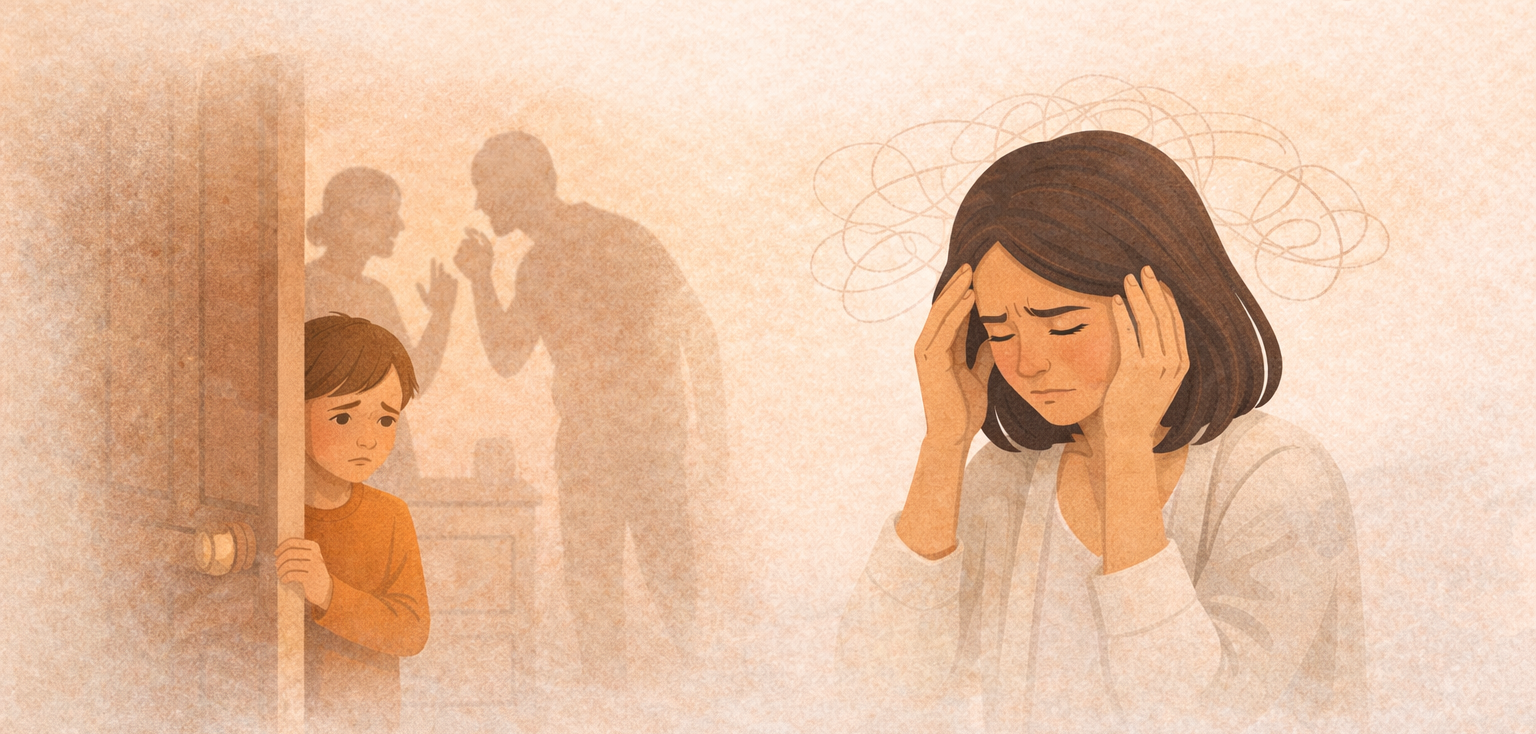
Witnessing conflict, violence, or chronic tension
These experiences can lead to patterns of thought and behaviour that persist into adulthood. For example, you might notice:
Feeling anxious or on edge in situations others handle easily
Overthinking or catastrophizing everyday events
Panic attacks or sudden spikes of fear
Difficulty trusting others or forming close relationships
Low self-esteem or constant self-criticism
Even subtle or “ordinary” stressors in childhood can leave lasting imprints that affect how safe and capable you feel as an adult.
Why Anxiety Shows Up
The brain stores memories of stressful or threatening experiences. Sometimes, these memories are processed in a way that leaves the nervous system hyper-alert. This means your body and mind may react to everyday stress as though danger is still present. This heightened state can manifest as generalized anxiety, panic attacks, or social anxiety.
How Therapy Can Help
Therapy provides a safe space to explore these experiences and learn practical ways to manage anxiety. Approaches that can be particularly effective include:
1. EMDR (Eye Movement Desensitization and Reprocessing)
EMDR helps your nervous system safely process distressing childhood memories so they no longer trigger overwhelming fear or anxiety. It can reduce emotional intensity while supporting lasting change.
2. Cognitive Behavioural Therapy (CBT)
CBT helps identify unhelpful thinking patterns that may have developed as a response to early trauma. By challenging these thoughts and testing new behaviours, you can reduce anxiety and increase confidence in your daily life.
3. Building Coping Skills and Resilience
Therapy can support you in developing strategies to manage stress, navigate triggers, and strengthen self-compassion. This helps you respond to anxiety in a calm and grounded way.
Taking the First Step
Recognising that childhood experiences may be influencing your adult anxiety is a courageous first step. Therapy is not about reliving the past, it’s about understanding it and learning tools to live more freely in the present.
If you’re struggling with anxiety connected to past experiences, seeking support can make a significant difference. Through EMDR and CBT, it’s possible to process what’s been holding you back, reduce anxiety, and move forward with greater confidence and ease.